

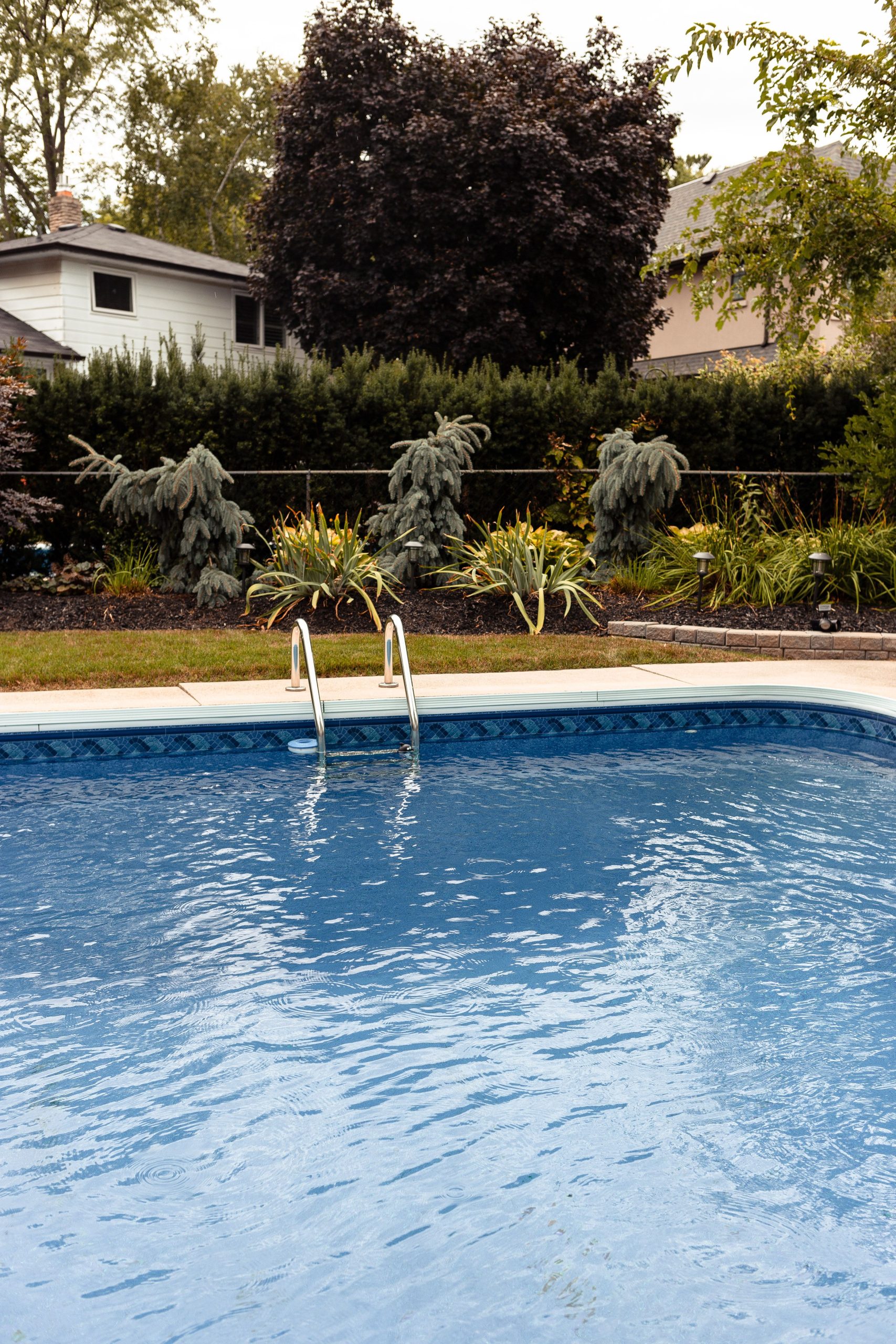
Does a Swimming Pool Increase Your Home’s Value?
A swimming pool can transform a backyard into a personal retreat. It’s a place to cool off during hot summer days and we have plenty of those in Coastal Carolina! It can also be a place to entertain guests, spend time with family, and create lasting memories.
Of course, pools aren’t inexpensive. Beyond the initial installation, there are ongoing costs such as maintenance, chemicals, repairs, opening and closing services, equipment replacement, and utility expenses. Still, many homeowners feel the enjoyment they receive makes the investment worthwhile.
One question I get all the time: Does a pool add value to a home?
It depends, and I’ll explain why.
Supply and Demand Matter
Like many features in real estate, the impact a pool has on value varies from market to market. One of the biggest factors is supply and demand.
While there are millions of residential pools across the United States, only a relatively small percentage of homes have one. That might suggest a pool automatically makes a home more valuable, but scarcity alone doesn’t determine value.
What matters is whether buyers in your area want a pool.
If there are plenty of buyers specifically looking for homes with pools and only a limited number available, that can make your property more attractive. The same applies to different types of pools. Some buyers strongly prefer an inground pool, while others may appreciate the flexibility and lower commitment often associated with an above ground pool.
The more closely your property aligns with what buyers are seeking, the more likely a pool may contribute positively to value.
Location Plays a Major Role
You’ve probably heard the phrase “location, location, location.” While that often refers to neighborhoods, schools, views, and proximity to amenities, it also influences how buyers perceive certain features.
In warmer climates where pools are common, buyers may view them as a standard expectation rather than a premium feature. In areas where pools are less common, having one may help your home stand out.
Even within the same state, buyer expectations can vary significantly. What adds value in one neighborhood may have little impact in another. Ultimately, local market conditions and buyer preferences will influence whether a pool is viewed as an asset.
A Pool Isn’t Appealing to Everyone
While a pool can attract certain buyers, it may discourage others.
Some buyers see a pool as an opportunity for relaxation and entertainment. Others see additional responsibilities and expenses. Concerns may include safety for children and pets. Some people worry about ongoing maintenance, utiliy, and upkeep costs. Not all lifestyle preferences include pool ownership. I once had a homebuyer fill in a brand new pool as soon as he closed on his house. For this very reason, a pool might narrow the number of potential buyers when it’s time to sell. I’ve also had buyers who specifically want a pool and that places higher value on a property.

.
Consider More Than Resale Value
Not every home improvement should be judged solely by its return on investment.
A pool may increase your home’s market appeal in some situations. In others, it may not add enough value to fully recover the installation cost. But many homeowners don’t install a pool strictly for resale purposes.
If having a pool enhances your lifestyle, provides years of enjoyment, and creates experiences with family and friends that you value, that benefit may be just as important as any financial return.
Before making a decision, it can be helpful to speak with a local real estate professional who understands your market right down to your specific zipcode or neighborhood. They can offer insight into whether buyers in certain areas typically view pools as a desirable feature or just another item requiring maintenance.
Bottom Line
A swimming pool can be a wonderful addition to a home, but it doesn’t automatically translate into higher value.
Whether it helps, hurts, or has little impact on resale depends largely on local market conditions, buyer demand, and the type of property involved.
If buyers in your area actively seek homes with pools and inventory is limited, a pool could work in your favor. In other markets, it may be viewed as an expected feature or even a drawback for some buyers.
In the Grand Strand, pools tend to be viewed differently than they are in many parts of the country because of the climate, vacation home market, and outdoor lifestyle. That doesn’t mean you’ll recover every dollar spent installing one, but buyers often place more value on pools here than they would in cooler climates.
When considering a pool, think about both the enjoyment it will bring today and its potential influence on future resale value.
Questions about pools or any other real estate topic? Bring them on!
Mary Childress
Realty ONE Group Dockside
843-450-6390